
Library
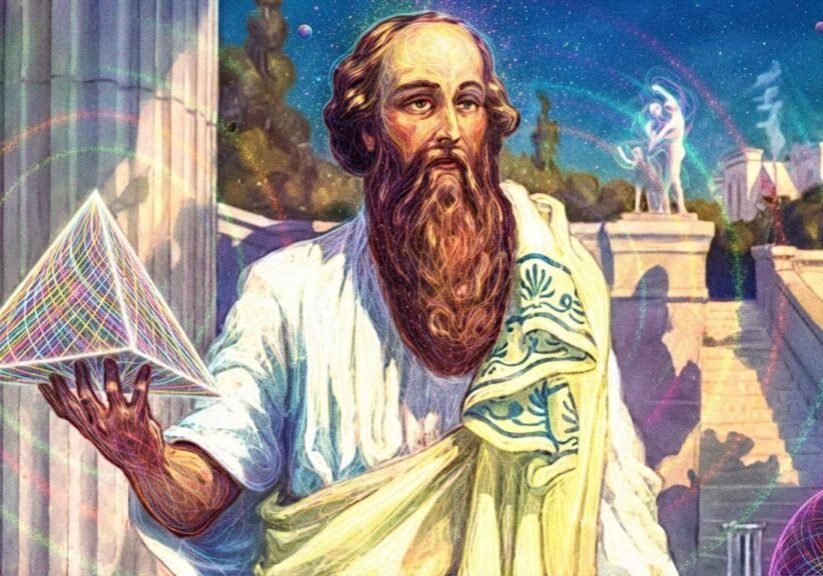
The Quadrivium of Pythagoras
The understanding of the cosmos as an ordered entity, governed by immutable mathematical laws and harmonic vibrations, constitutes one of the most profound legacies of the Pythagorean tradition. The Quadrivium, or the "way of..."

Creating a song from scratch: from impulse to language
Practical Composition: A song doesn't appear finished; it evolves from a brief intuition to a sequence of decisions that allows another person to feel, sing, or remember something. The challenge isn't waiting...
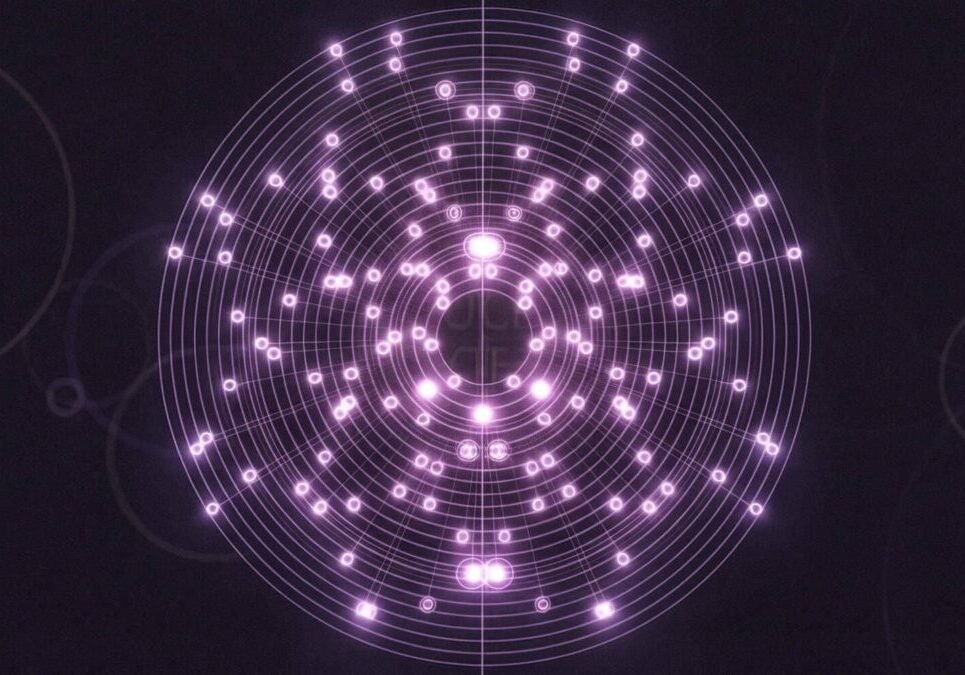
Algorithmic composition and the Lucid Rhythms case
When most people hear the term "algorithmic music," they usually imagine one of two things: either a computer generating random, impersonal notes, or a programmer writing thousands of lines of...

Introduction to Negative Harmony – The Mirror of Harmony
Imagine you can take a progression you already know, hold it up to a mirror, and discover that behind it lies another harmony. Not a copy. Not simply the same chords played...