
Blog
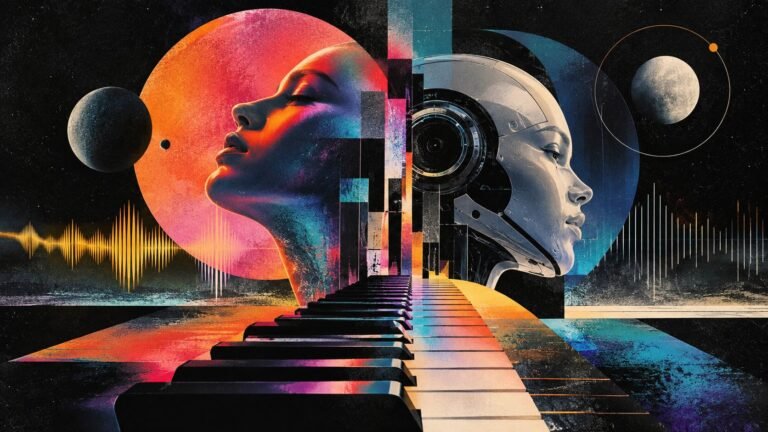
The role of AI in music
Discovering your singing voice isn't about imitating anyone. Learn to listen to it, release tension, breathe better, and find your own way to express yourself through sound.
see more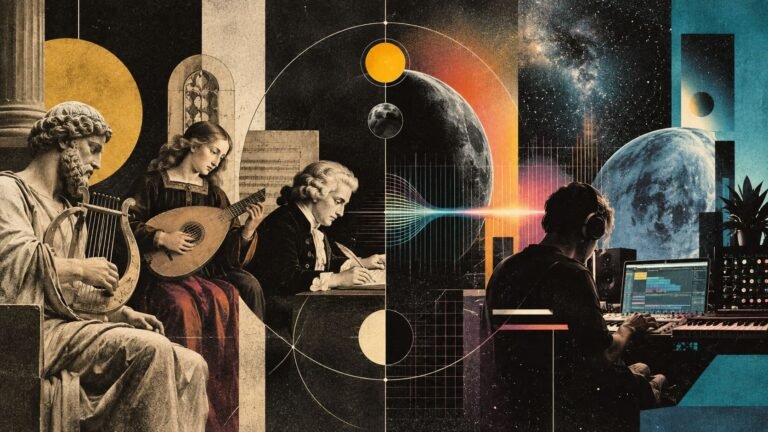
How much has the way of creating music changed?
Discovering your singing voice isn't about imitating anyone. Learn to listen to it, release tension, breathe better, and find your own way to express yourself through sound.
see more
How to make a living from music and not die trying
Discovering your singing voice isn't about imitating anyone. Learn to listen to it, release tension, breathe better, and find your own way to express yourself through sound.
see more
Introduction to Negative Harmony – The Mirror of Harmony
Discovering your singing voice isn't about imitating anyone. Learn to listen to it, release tension, breathe better, and find your own way to express yourself through sound.
see more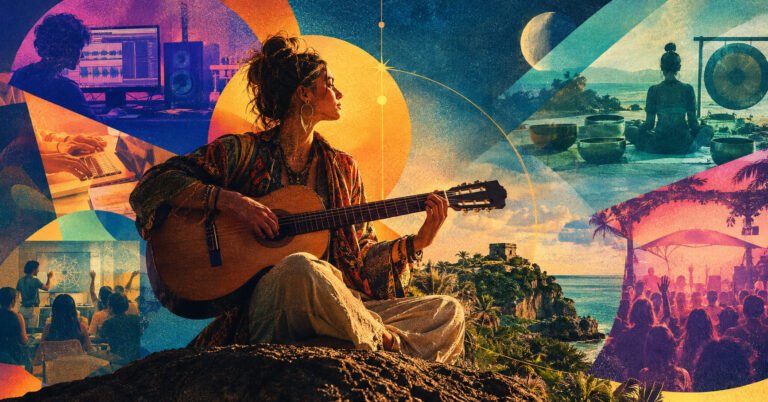
Is it really possible to make a living from music?
Discovering your singing voice isn't about imitating anyone. Learn to listen to it, release tension, breathe better, and find your own way to express yourself through sound.
see more
The Acoustic Scale – The Mysterious Footprint of Music
Discovering your singing voice isn't about imitating anyone. Learn to listen to it, release tension, breathe better, and find your own way to express yourself through sound.
see more
How to discover your voice and free it to sing?
Discovering your singing voice isn't about imitating anyone. Learn to listen to it, release tension, breathe better, and find your own way to express yourself through sound.
see more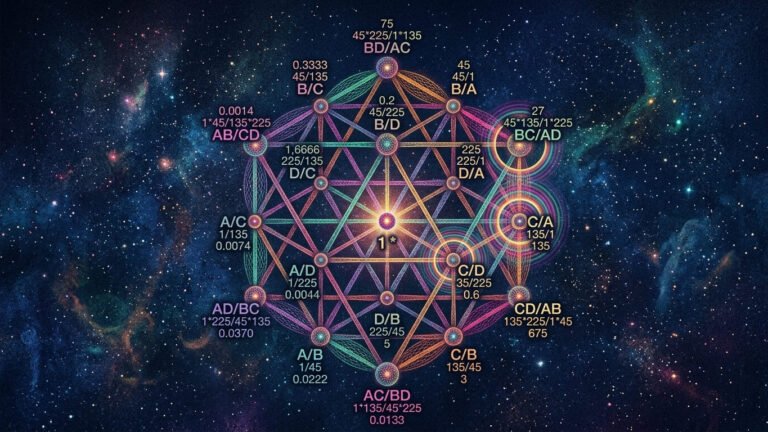
Ervin Wilson's Musical Theory: Geometry, Sound, and Recursion
Ervin M. Wilson (1928–2016) represents one of the most formidable and innovative figures in the history of music theory, physical acoustics, and microtonality. While traditional Western music theory has tended to treat tuning systems as static structures derived from historical practice, Wilson's work addressed…
see more
The Genius of Jacob Collier: The Revolution of Modern Music
Is it possible to fill a stadium and get tens of thousands of people singing four-part microtonal chords without them needing to know how to read a single note on a staff? For Jacob Collier, this isn't a laboratory experiment: it's the usual climax of his concerts. From his childhood bedroom in…
see more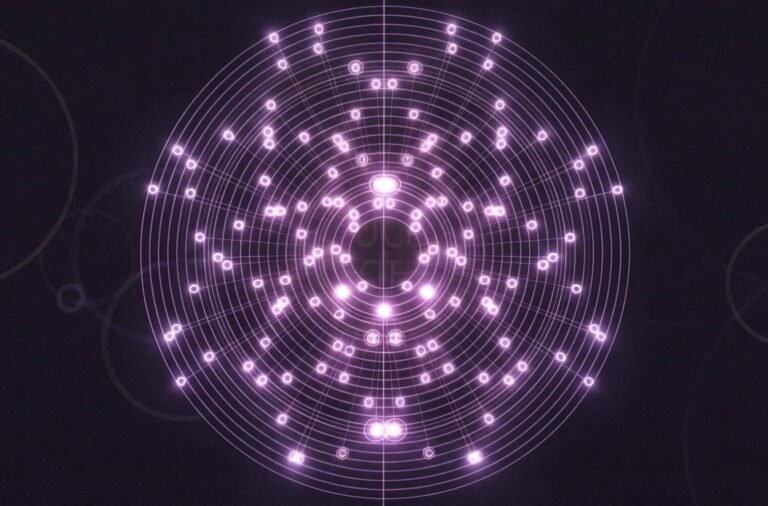
Algorithmic composition and the Lucid Rhythms case
For most people, the term "algorithmic music" conjures up one of two things: either a computer generating random, impersonal notes, or a programmer writing thousands of lines of indecipherable code on a black screen only to produce a few synthetic beeps. However, the concept of "algorithmic composition"...
see more